Get Grease Trap Installation
Local contractors offer grease trap installation services to prevent plumbing clogs and odors in restaurants, commercial kitchens, and food service facilities.
Grease trap installation is an essential service for property owners looking to maintain proper waste management and ensure smooth operations. Whether managing a commercial kitchen, restaurant, or food processing facility, having a properly installed grease trap can help prevent plumbing issues and meet local regulations. If you're exploring options for this type of project, you're in the right place to compare local contractors who specialize in efficient and reliable installation services.
By considering different service providers in the area, property owners can find the right solutions tailored to their specific needs. Planning a grease trap installation involves understanding the scope of work and selecting experienced local contractors who can handle the job effectively. Continue reading to discover how to connect with qualified professionals ready to assist with your project.
- Commercial Facilities - Businesses that generate significant grease waste may need grease trap installation to comply with local regulations.
- Restaurants and Cafes - Food service establishments require properly installed grease traps to prevent plumbing issues and maintain sanitation.
- Industrial Kitchens - Large-scale kitchens in factories or institutions often need professional grease trap setup to handle high volumes of waste.
- Food Processing Plants - Facilities involved in food production may require grease trap installation to manage waste effectively and meet health standards.
- Renovation and New Construction - Builders and contractors might need local service providers for grease trap installation during property development projects.
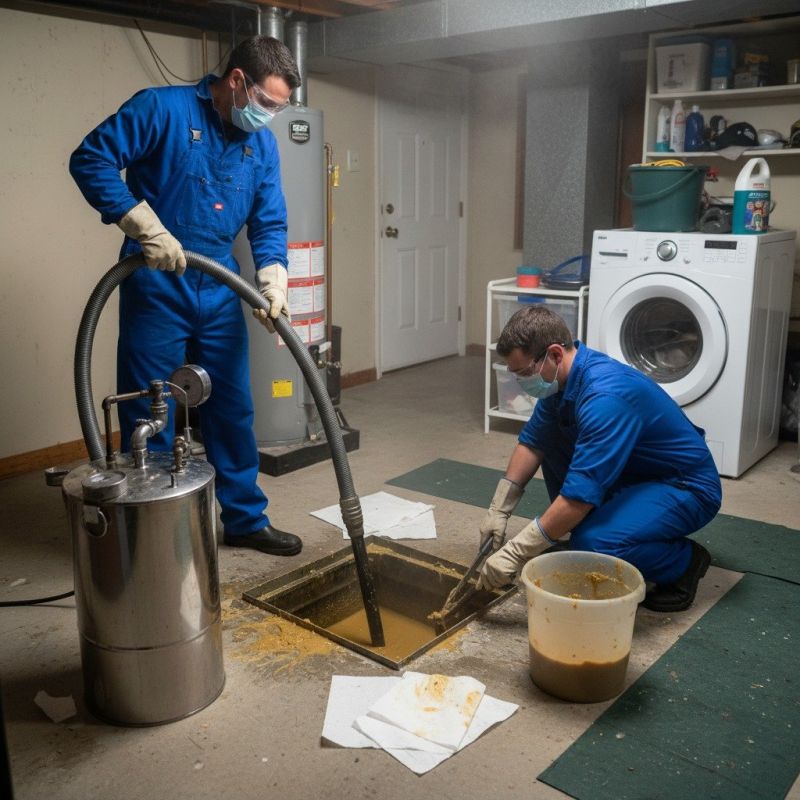
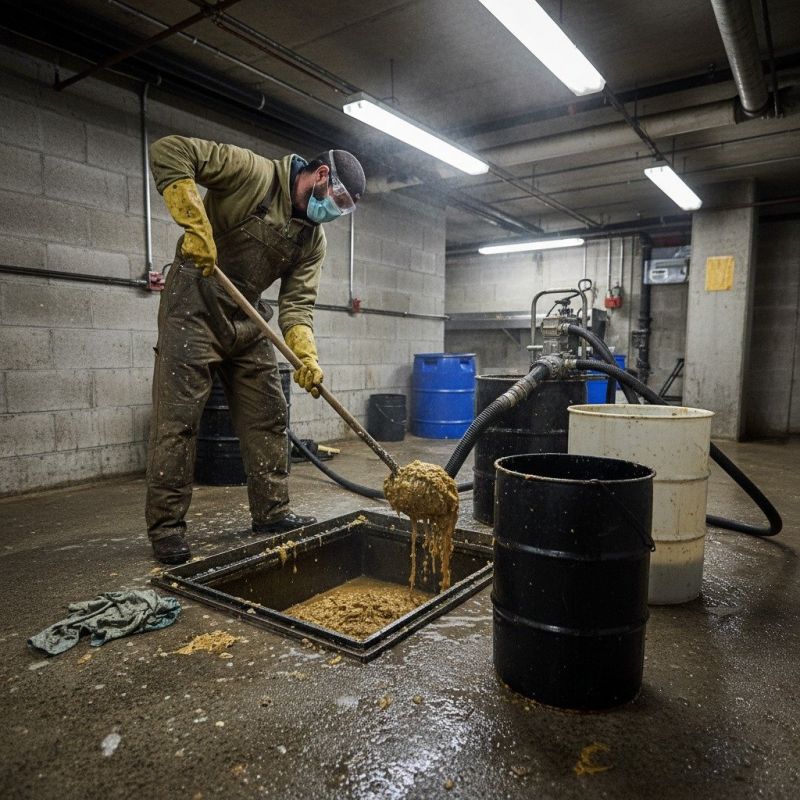
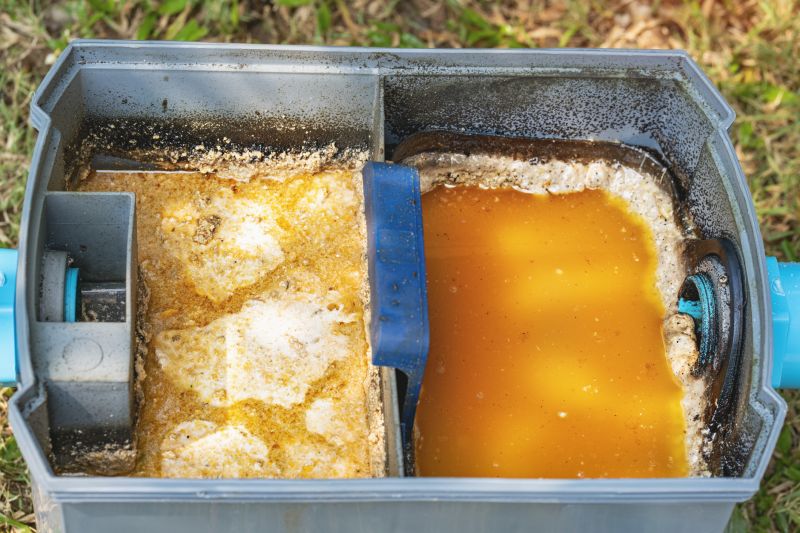
Grease trap installation is a service that involves fitting a specialized container designed to capture and separate fats, oils, and grease from wastewater before it enters the plumbing system. This process helps prevent blockages and buildup in pipes, which can lead to costly repairs and operational disruptions. Proper installation ensures that the grease trap functions effectively, maintaining the flow of wastewater and reducing the risk of foul odors or plumbing backups. Local contractors experienced in grease trap setup can assess the property's needs and install the appropriate size and type of trap for optimal performance.
Many common problems associated with improper or absent grease traps can be avoided through professional installation. Without a properly installed trap, grease and fats from kitchens-particularly in commercial properties-can solidify and clog pipes over time. This can cause slow drainage, unpleasant smells, and even severe plumbing failures that disrupt daily operations. Installing a grease trap helps property owners manage waste more efficiently, ensuring that kitchen runoff is filtered before entering the main sewer line. This service is especially important for restaurants, cafes, and other food service establishments, but it can also benefit residential properties with high-volume kitchen waste.
Properties that typically use grease trap installation services include restaurants, catering facilities, bakeries, and other food-related businesses. However, some large residential complexes or multi-unit buildings with extensive kitchens may also require these systems. Commercial properties often generate significant amounts of grease, making proper trapping essential for compliance with local regulations and to prevent plumbing issues. Homeowners with large or multiple kitchens, especially those experiencing frequent drain problems or planning major renovations, might also consider installing a grease trap to improve plumbing reliability and reduce maintenance concerns.
Local service providers specializing in grease trap installation can evaluate a property’s specific needs and recommend the right system size and type. They handle the installation process, ensuring the trap is correctly positioned and integrated into existing plumbing. This service helps property owners maintain efficient waste management, avoid plumbing disruptions, and meet local codes related to grease disposal. Connecting with experienced contractors can provide peace of mind that the grease trap is properly installed and functioning, supporting the property's overall plumbing health and operational efficiency.
The overview below groups typical Grease Trap Installation projects into broad ranges so you can see how smaller, mid-sized, and larger jobs often compare in your area.
In many markets, a large share of routine jobs stays in the lower and middle ranges, while only a smaller percentage of projects moves into the highest bands when the work is more complex or site conditions are harder than average.
Small Repairs - Typical costs for minor grease trap repairs or cleanouts generally range from $250 to $600. Many routine maintenance jobs fall within this middle range, depending on the size and accessibility of the trap.
Standard Installation - Installing a new grease trap for a standard commercial kitchen usually costs between $1,000 and $3,000. Larger or more complex setups can push costs higher, but most projects stay within this range.
Full Replacement - Replacing an existing grease trap with a new unit typically costs between $2,500 and $5,000. Projects at this level are less common but may be necessary for older or heavily damaged systems.
Large or Complex Projects - Extensive installations or custom systems can exceed $5,000, especially when significant site work or specialized equipment is involved. These higher-end projects are less frequent but handled by local contractors for appropriate needs.
Actual totals will depend on details like access to the work area, the scope of the project, and the materials selected, so use these as general starting points rather than exact figures.
Septic System Installation - professionals who install septic tanks often have skills in underground piping and site planning similar to grease trap setup.
Commercial Drainage System Installation - these projects require expertise in managing wastewater flow and heavy-duty piping comparable to grease trap installation.
Underground Utility Line Installation - involves planning and trenching skills that align with installing grease traps in commercial or industrial settings.
Stormwater Management System Setup - designing and installing systems to control runoff shares planning and excavation skills with grease trap projects.
Food Service Plumbing Remodels - remodeling projects often involve installing or upgrading waste management systems similar to grease trap installation.
Restaurant Wastewater System Upgrades - upgrading or installing wastewater treatment components requires knowledge of plumbing and waste flow management comparable to grease trap services.
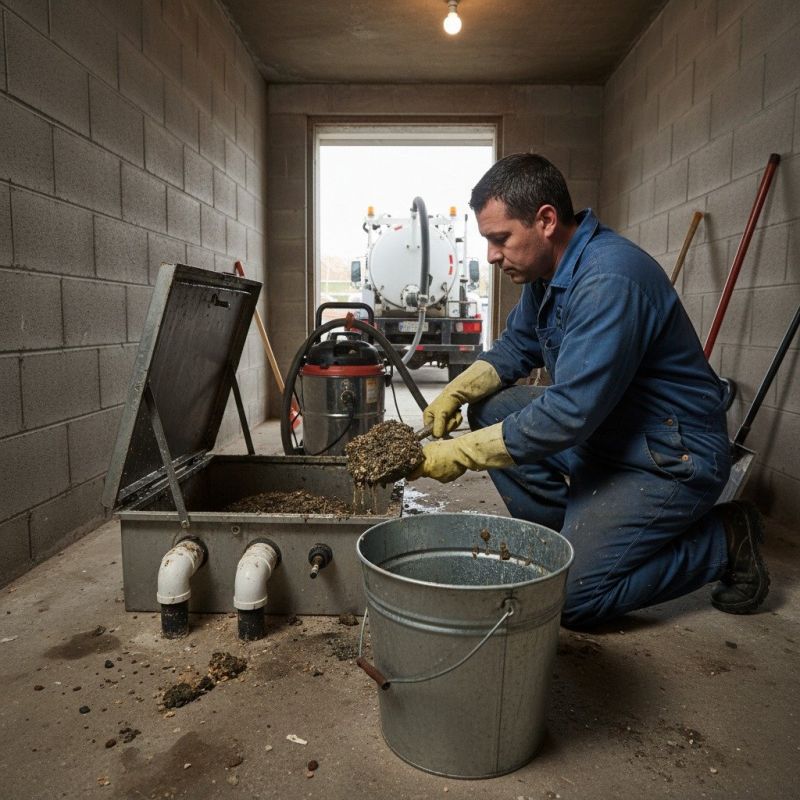
When comparing service providers for grease trap installation, it’s important to consider their experience with similar projects. Homeowners should seek out local contractors who have a proven track record of successfully completing grease trap installations in settings comparable to their own. Asking about the number of projects completed and the types of facilities served can provide insight into a contractor’s familiarity with specific requirements and challenges. This background helps ensure that the selected professional understands the complexities involved and can deliver results that meet expectations.
Clear, written expectations are essential for a smooth project process. Homeowners should look for service providers who can provide detailed estimates and scope of work documentation. These documents should outline the steps involved, materials to be used, and any relevant timelines or milestones. Having this information in writing helps prevent misunderstandings and provides a reference point throughout the project. It’s also beneficial to discuss how questions or concerns will be addressed, ensuring open communication from the start.
Reputable references and good communication are key indicators of a dependable service provider. Homeowners are encouraged to request references from previous clients who had similar work done. Contactting these references can reveal insights into the contractor’s professionalism, quality of work, and reliability. Additionally, choosing local contractors known for responsive and transparent communication can make the entire process more straightforward. Effective communication helps ensure that expectations are aligned and that any issues are addressed promptly, leading to a more satisfactory project outcome.
Property owners use Grease Trap Installation services for practical projects around their homes and businesses. This guide focuses on everyday jobs and straightforward project options.
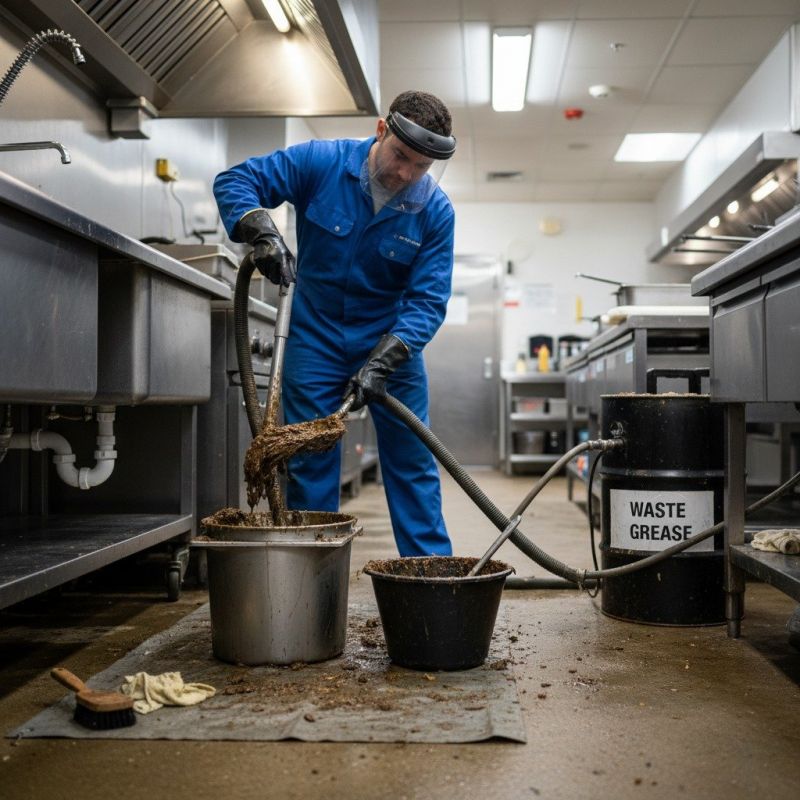
Grease trap installation is a common need for property owners operating restaurants, cafes, or food service establishments in the area. When kitchen operations generate a high volume of grease and solids, a properly installed grease trap helps prevent clogs and backups in plumbing systems, ensuring smooth daily operations. Local contractors experienced in this work can assess the property’s specific requirements and install a system that meets local codes and industry standards, providing a reliable solution for ongoing kitchen maintenance.
Property owners with commercial kitchens or food preparation areas might seek grease trap services to comply with health regulations or avoid costly plumbing issues. Additionally, those upgrading or replacing existing systems may look for local service providers who can handle the installation efficiently. Connecting with qualified local contractors can help ensure the job is done correctly, supporting the property's sanitation and operational efficiency.
What is involved in installing a grease trap? Installation typically includes positioning the trap correctly, connecting it to the plumbing system, and ensuring proper sealing for effective operation.
Are there different types of grease traps available? Yes, local service providers can install various types such as passive, automatic, or gravity grease traps, depending on the needs of the property.
What should be considered before installing a grease trap? Factors include the size of the establishment, the volume of grease generated, and local plumbing codes that may influence the choice and placement.
Can a grease trap be installed indoors or outdoors? Both options are possible, with indoor installations often used in commercial kitchens and outdoor options suitable for larger or outdoor facilities.
How do local contractors ensure proper grease trap installation? They follow best practices for placement, connection, and sealing to ensure the trap functions correctly and complies with relevant standards.
Grease trap installation for restaurants - Ensures proper waste management in commercial kitchens, helping to prevent plumbing issues during busy meal times.
Commercial property grease trap setup - Supports efficient kitchen operations by effectively trapping fats, oils, and grease before they enter the plumbing system.
Residential grease trap solutions - Assists homeowners with maintaining their kitchen drainage systems, especially in homes with large or frequent cooking activities.
Custom grease trap design consultation - Provides property owners with tailored options to meet specific kitchen or restaurant needs, ensuring compliance and functionality.
If you are thinking about Grease Trap Installation for a property, this guide is meant to help you understand the work, the typical project types, and how different options might fit your plans.
When you are ready, you can use the quote form on this page to share a few details about your project. From there, local pros can review the basics and respond with options that match what you have in mind.